
Heating · Charleston, WV
Carbon Monoxide & Gas Safety in Charleston, WV
If a CO alarm sounds, get everyone outside and call 911 or the fire department. Afterward, a licensed HVAC tech should test the furnace's combustion, inspect the heat exchanger and flue, and confirm the appliance is safe before it runs again.
- Same-day appointments when available
- Licensed HVAC contractors
- Written price before any repair
Charleston
Carbon Monoxide & Gas Safety in Charleston: what's different
Carbon Monoxide & Gas Safety in Charleston is shaped by local conditions. Damp basements: River-valley humidity and older foundations keep basements damp, which rusts furnace cabinets, corrodes flue pipes and feeds musty air into return ducts.
Older homes often have basements with gas furnaces or converted boilers and ductwork added decades after construction. Hillside lots mean outdoor units sit on retaining walls or steep yards, and river-level neighborhoods in Kanawha City and the West Side deal with damp basements. For carbon Monoxide & Gas Safety, that means the contractor should start with ventilate and verify and confirm what is actually installed before quoting. Another local pattern worth mentioning to the tech: retrofitted ductwork. Ducts added to older homes are often undersized or snake through tight chases, leaving upstairs rooms hot in summer and cold in winter.
The City of Charleston issues mechanical permits inside city limits; Kanawha County handles unincorporated areas. Furnace work books up after the first October cold snap, so schedule heating checks in September.
Charleston climate
Summers are warm and humid with highs in the upper 80s, and the valley traps heat and haze. Winters bring regular freezes and some snow, with cold air pooling in the valley on clear nights.
Symptoms
Signs you need carbon monoxide & gas safety
- CO alarm sounding
- Headaches or nausea that ease outside the house
- Soot around the furnace or water heater
Process
How the Carbon Monoxide & Gas Safety visit works in Charleston
- 1
Ventilate and verify
- 2
Combustion analysis
- 3
Inspect
- 4
Make safe
Cost factors, safe DIY checks and equipment details are in the full carbon monoxide & gas safety guide.
FAQ
Carbon Monoxide & Gas Safety questions
How do I get carbon Monoxide & Gas Safety in Charleston, WV?+
Call with your ZIP code. We connect you with a licensed HVAC contractor in our network that serves Charleston, including East End, South Hills, Kanawha City. The contractor confirms timing and gives you a price before work starts.
Why is my Charleston basement furnace rusting?+
Valley humidity and damp foundations corrode cabinets and flue pipes. A dehumidifier, sealed duct joints and annual inspection of the venting help.
Who do I call first if my CO alarm goes off?+
Leave the home and call 911. The fire department can measure CO levels. Then have an HVAC contractor diagnose the source before using gas appliances again.
Carbon Monoxide & Gas Safety also available near Charleston
Other services in Charleston
Carbon Monoxide & Gas Safety overview · Heating in Charleston · All HVAC services in Charleston
Related
Services related to Carbon Monoxide & Gas Safety
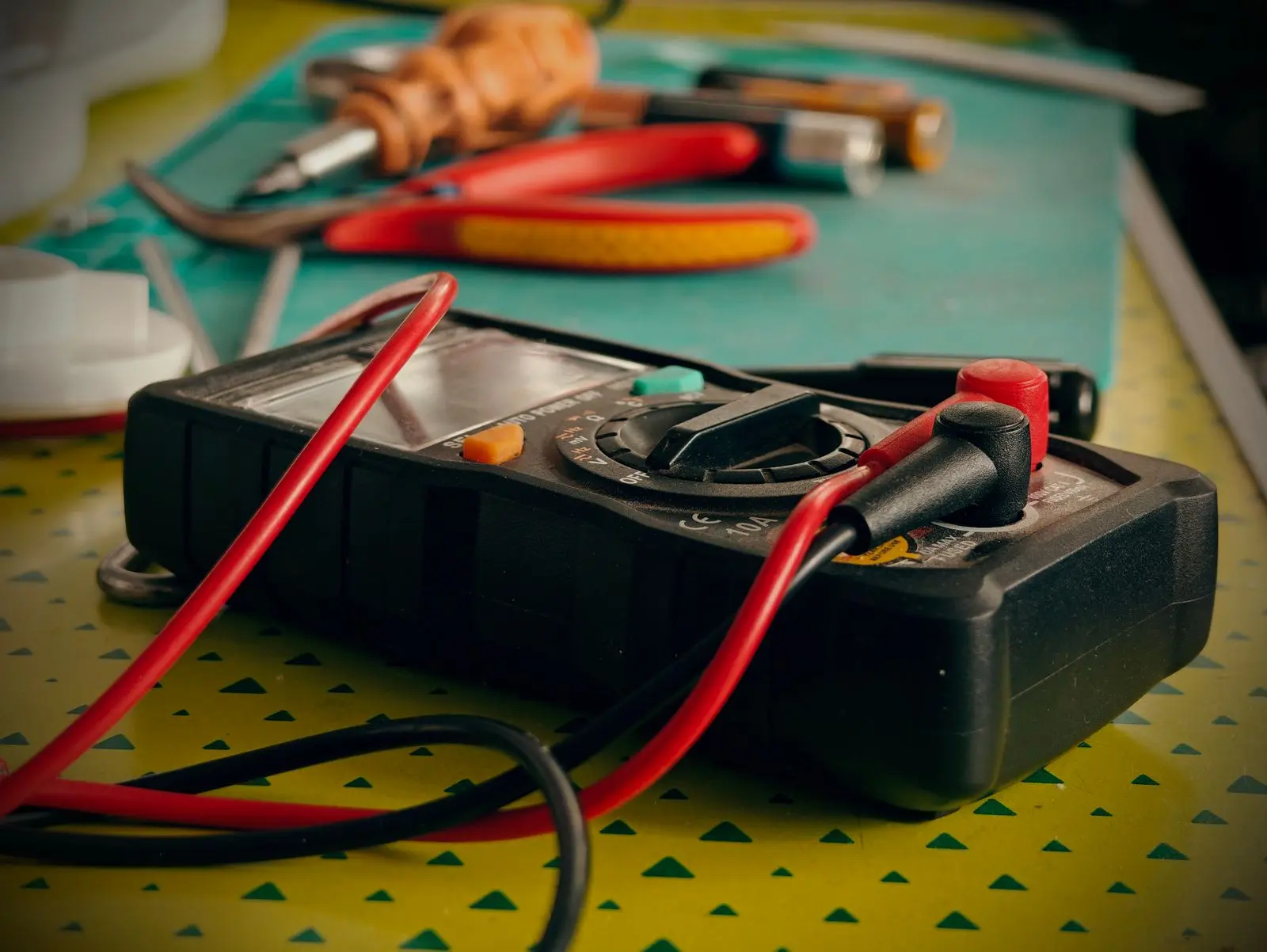
Carbon Monoxide & Gas Safety guides
Need heating or cooling help now?
Call to be connected with a licensed HVAC contractor serving your ZIP code.