
Heating · California
Heating services in California
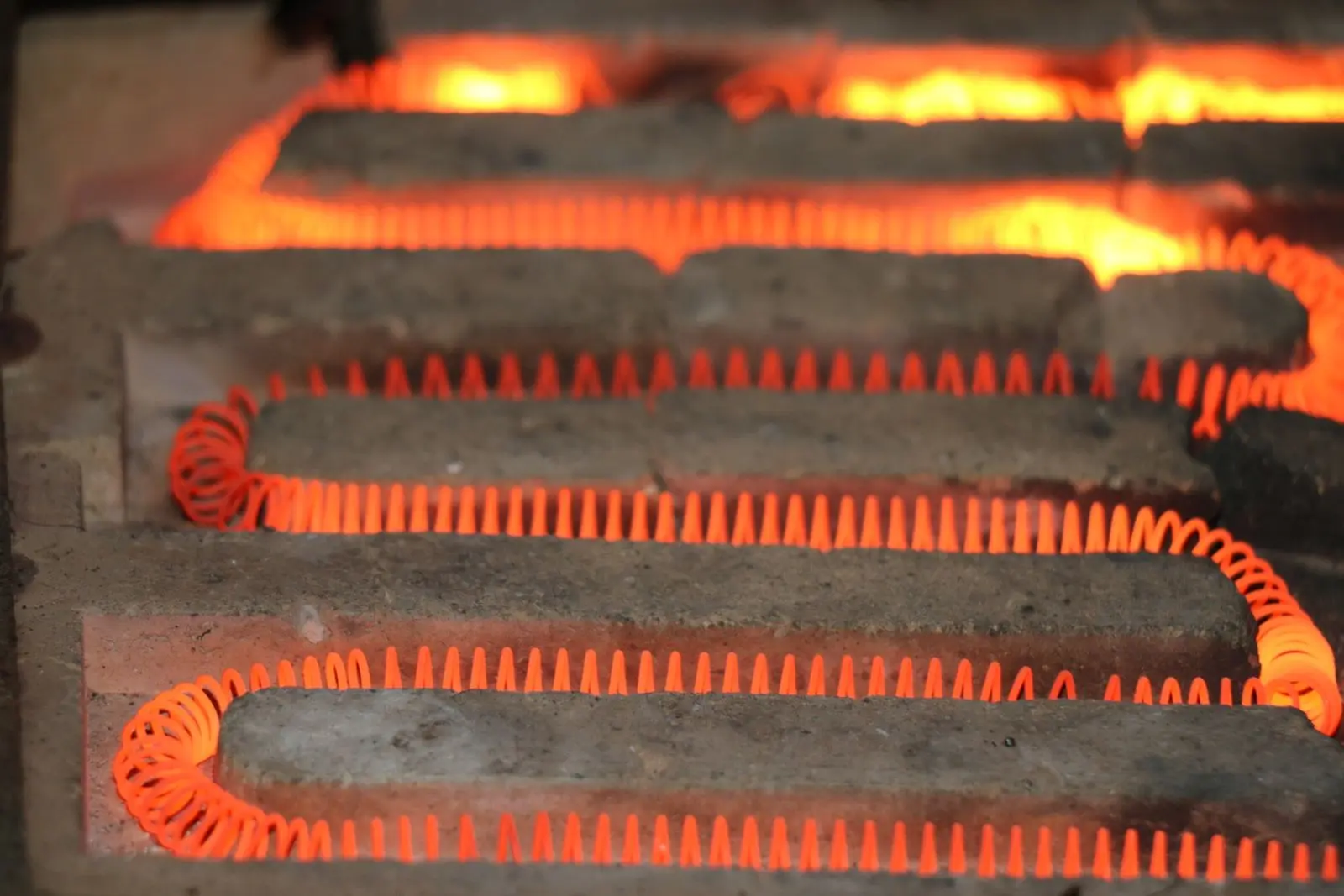
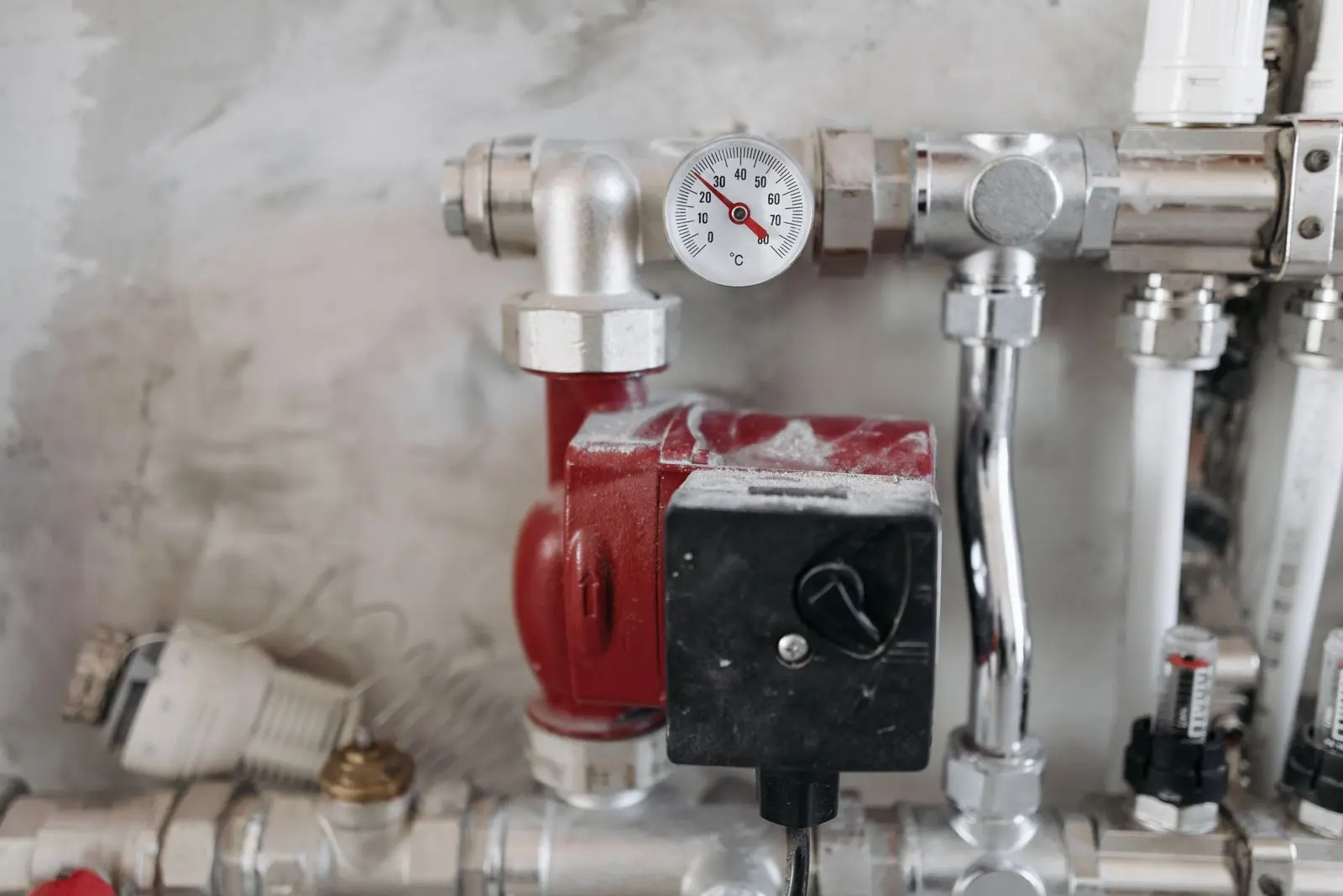
Heating services cover gas and electric furnaces, hot-water boilers, radiant floors and the safety checks that keep combustion appliances from leaking carbon monoxide. Most no-heat calls are an igniter, flame sensor, pressure switch or blower problem.
- Same-day appointments when available
- Licensed local contractors
- Written price first
California
Heating in California: what's different
Heating across California depends on the climate (IECC climate zones 2–6). Furnaces in mixed climates run for several months, and ice storms or cold snaps put sudden load on them. Annual safety checks on burners, venting and heat exchangers are worthwhile.
In California specifically: inland heat. Central Valley and Inland Empire homes need strong cooling in long, hot summers.
California licenses HVAC contractors through the Contractors State License Board (CSLB), usually under the C-20 Warm-Air Heating, Ventilating and Air-Conditioning classification. Common systems in California: Gas furnace + central AC, Heat pumps, Ductless mini-splits, High-MERV filtration.
Heating
Heating services in California
Which one do I need?
Pick the right service
| If this is happening | Start with |
|---|---|
| The furnace will not light, short-cycles or blows cold air | Furnace Repair in California |
| The furnace is 15 to 20 years old or has a cracked heat exchanger | Furnace Replacement in California |
| You have radiators, baseboard or in-floor heat | Boiler & Radiant Heat |
| A CO alarm went off or you smell exhaust | Carbon Monoxide & Gas Safety |
FAQ
Heating questions in California
Can I get heating service anywhere in California?+
Our contractor network covers many California ZIP codes. Call with your ZIP code and we will tell you whether a licensed contractor serves your address.
Are heat pumps good for California?+
Yes. Most of California's climate suits heat pumps well, and state and utility incentives often support them.
What should I do if my carbon monoxide alarm goes off?+
Get everyone outside to fresh air and call 911 or your gas utility's emergency line. Do not go back in until responders say it is safe, then have the heating system inspected.
Why does my furnace turn on and then shut off?+
A dirty flame sensor, a blocked vent or intake, a clogged filter or an overheating heat exchanger are common causes. The control board's blink code helps a tech narrow it down.
Heating in California cities
Other HVAC services in California
Need heating or cooling help now?
Call to be connected with a licensed HVAC contractor serving your ZIP code.