
Heating · Vermont
Heating services in Vermont
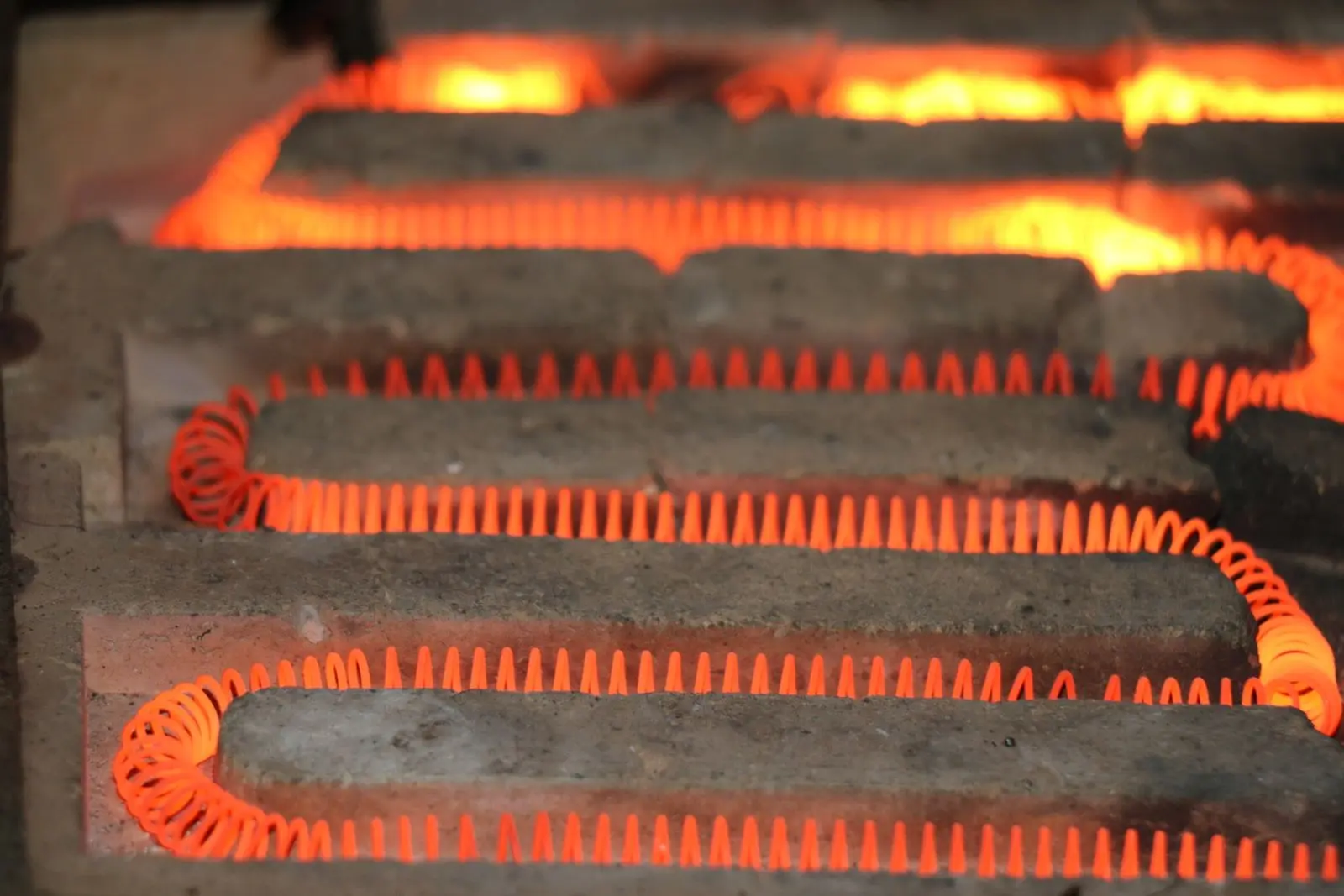
Heating services cover gas and electric furnaces, hot-water boilers, radiant floors and the safety checks that keep combustion appliances from leaking carbon monoxide. Most no-heat calls are an igniter, flame sensor, pressure switch or blower problem.
- Same-day appointments when available
- Licensed local contractors
- Written price first
Vermont
Heating in Vermont: what's different
Heating across Vermont depends on the climate (IECC climate zones 6). Heating systems in very cold climates run most of the year and a failure can quickly become an emergency. Fuel supply, venting clear of snow and backup heat all deserve attention.
In Vermont specifically: fuel costs. Heat pumps and weatherization reduce oil and propane use. Extreme cold: Backup heat is important during the coldest weeks.
Vermont licenses certain trades such as gas and oil technicians through state boards; local requirements may also apply. Common systems in Vermont: Oil and propane boilers, Cold-climate heat pumps, Wood and pellet stoves, HRV ventilation.
Heating
Heating services in Vermont
Which one do I need?
Pick the right service
| If this is happening | Start with |
|---|---|
| The furnace will not light, short-cycles or blows cold air | Furnace Repair in Vermont |
| The furnace is 15 to 20 years old or has a cracked heat exchanger | Furnace Replacement in Vermont |
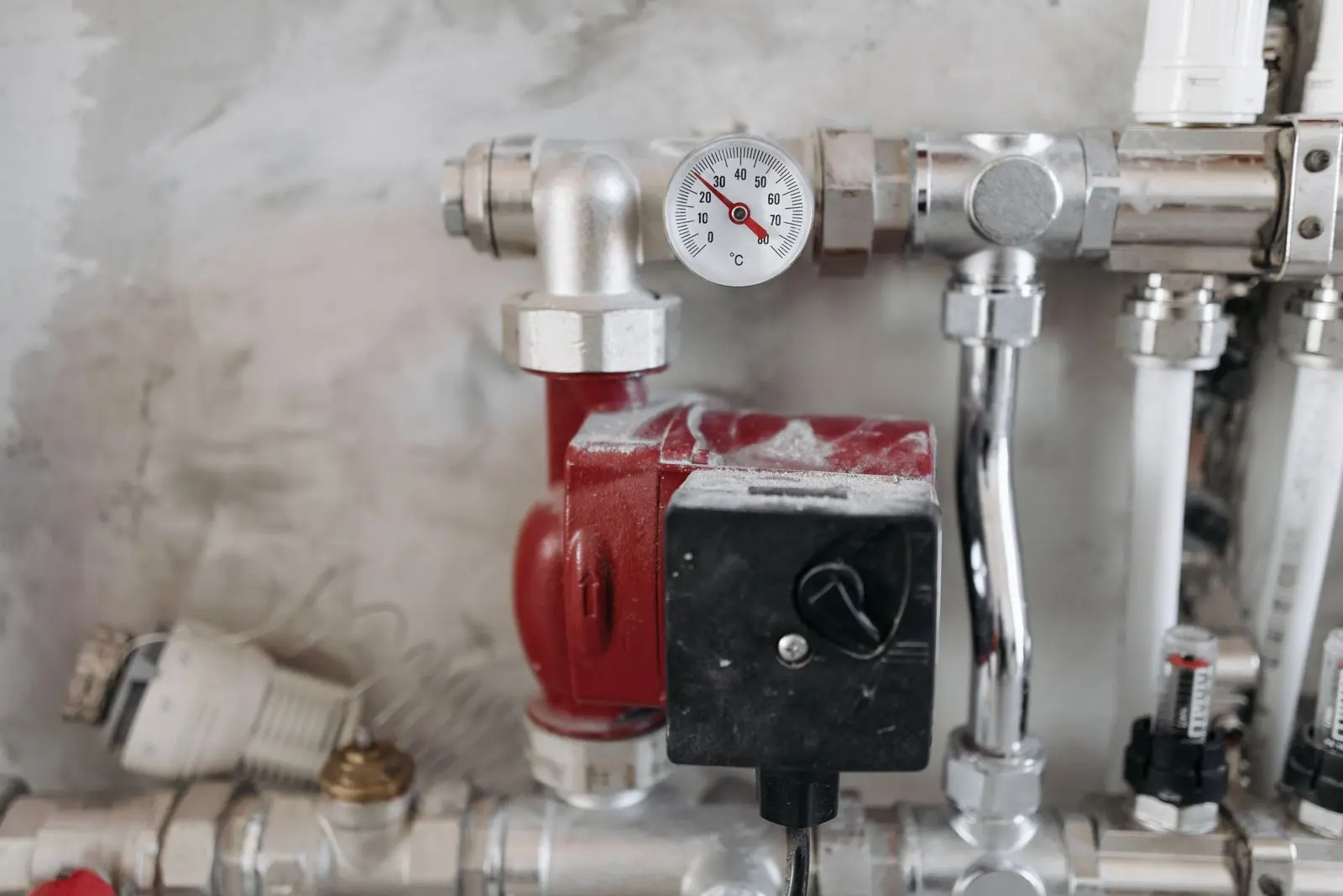
| You have radiators, baseboard or in-floor heat | Boiler & Radiant Heat in Vermont |
| A CO alarm went off or you smell exhaust | Carbon Monoxide & Gas Safety |
FAQ
Heating questions in Vermont
Can I get heating service anywhere in Vermont?+
Our contractor network covers many Vermont ZIP codes. Call with your ZIP code and we will tell you whether a licensed contractor serves your address.
Will a heat pump heat my Vermont home in winter?+
Cold-climate heat pumps can heat well into subzero temperatures, though many homes keep a backup system.
Should I weatherize before installing a heat pump?+
Yes. Air sealing and insulation make heat pumps more effective and may allow smaller equipment.
What should I do if my carbon monoxide alarm goes off?+
Get everyone outside to fresh air and call 911 or your gas utility's emergency line. Do not go back in until responders say it is safe, then have the heating system inspected.
Why does my furnace turn on and then shut off?+
A dirty flame sensor, a blocked vent or intake, a clogged filter or an overheating heat exchanger are common causes. The control board's blink code helps a tech narrow it down.
Heating in Vermont cities
Other HVAC services in Vermont
Need heating or cooling help now?
Call to be connected with a licensed HVAC contractor serving your ZIP code.