
Short answer
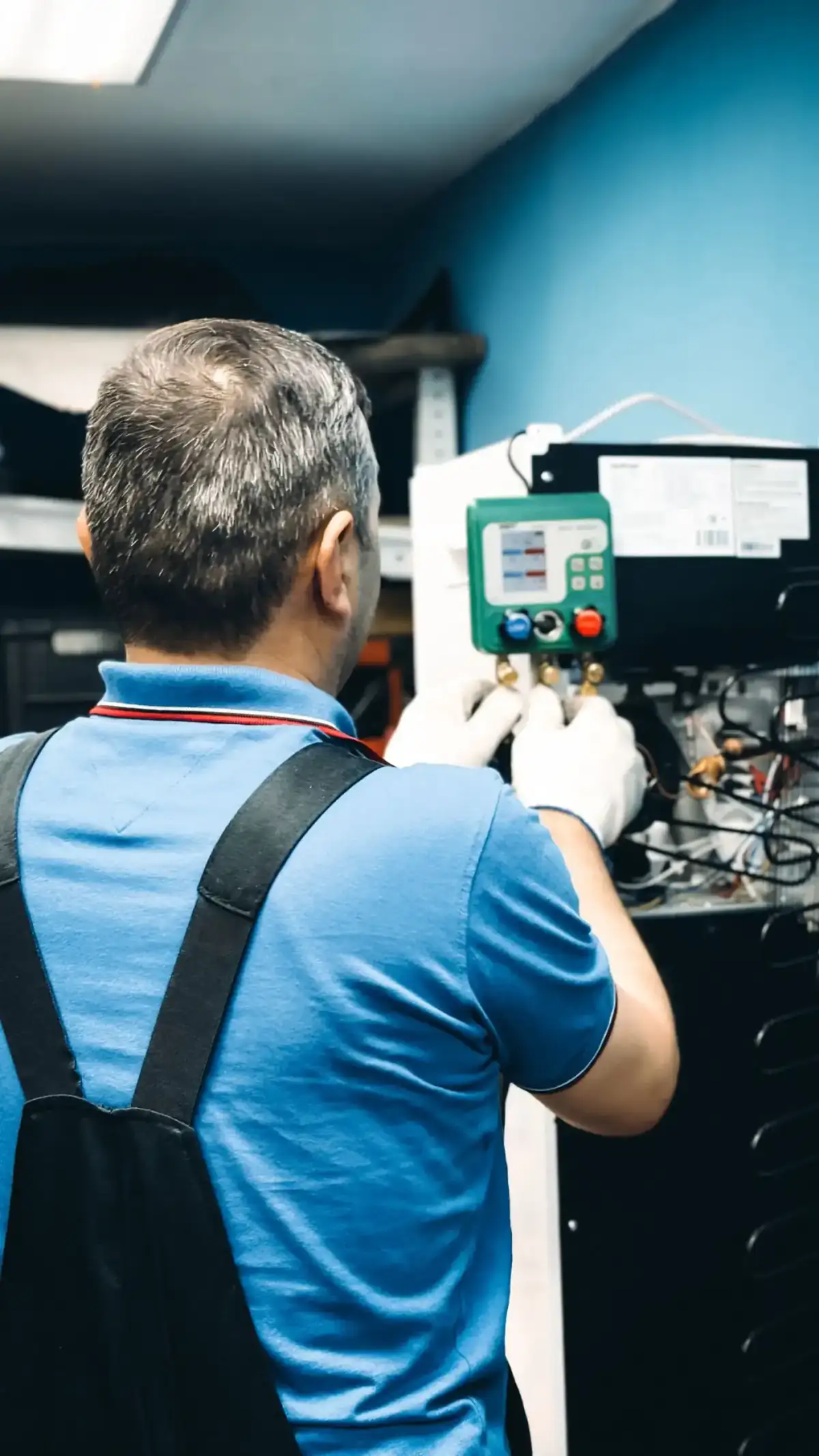
A real AC tune-up includes coil cleaning, capacitor and contactor testing, refrigerant pressure and temperature checks, blower and motor amp readings, condensate drain flushing, filter replacement and a written report of readings.
Outdoor unit
Electrical and coil work.
- Clean condenser coil
- Test capacitor µF
- Inspect contactor
- Fan motor amps
- Tighten electrical connections
Indoor unit
Airflow and drainage.
- Replace filter
- Inspect blower wheel
- Check coil
- Flush drain and test float switch
Performance
Readings you should get in writing.
- Supply and return temperatures
- Refrigerant pressures, superheat or subcooling
- Thermostat calibration
When to schedule it
For cooling, spring is ideal, before the first heat wave and before contractors are booked out. Heat pumps benefit from a spring and a fall visit because they run in both seasons.
What you can do between visits
Homeowner maintenance keeps the system healthier between professional visits.
- Change the filter on schedule
- Keep 2 feet of clearance around the outdoor unit
- Gently rinse cottonwood, dust and leaves off the outdoor coil with a garden hose (power off)
- Pour a cup of water in the condensate cleanout to confirm it drains
- Keep supply and return registers unblocked
Red flags in a 'tune-up'
Some visits are sales calls in disguise. Be cautious if the technician takes no readings, finishes in 15 minutes, or recommends a major part replacement without showing a measured value such as a capacitor reading below its rated microfarads.
- Ask for readings in writing
- Ask to see failed parts
- Get a second opinion on large repairs
Why readings matter
Written readings create a baseline. Next year, a technician can compare capacitor values, amp draws and temperature split to spot parts that are wearing out before they fail.
Questions
How long does an AC tune-up take?+
Typically 60–90 minutes per system when done thoroughly.
Is an annual AC tune-up worth it?+
Manufacturers commonly recommend annual maintenance, and some warranties require proof of it. It also catches small problems before peak season.
Does a tune-up include refrigerant?+
A tune-up checks the charge. Adding refrigerant is a separate charge, and a low charge means there is a leak to find.
Can I clean the outdoor coil myself?+
You can rinse it gently with a garden hose with power off at the disconnect. Avoid pressure washers, which bend the fins.
Editorial note: this guide is general information for homeowners, not a diagnosis. Desertline Heating & Air is a referral service; a licensed contractor should inspect your equipment before repairs.