
Air Conditioning · Nationwide
Air conditioner repair
Most AC failures come down to a few parts: a weak capacitor, a burned contactor, a clogged condensate drain, low refrigerant from a leak, or a failing fan motor. A licensed tech tests each one, shows you the reading, and gives a written price before replacing anything.
- Same-day appointments when available
- Licensed HVAC contractors
- Written price before any repair
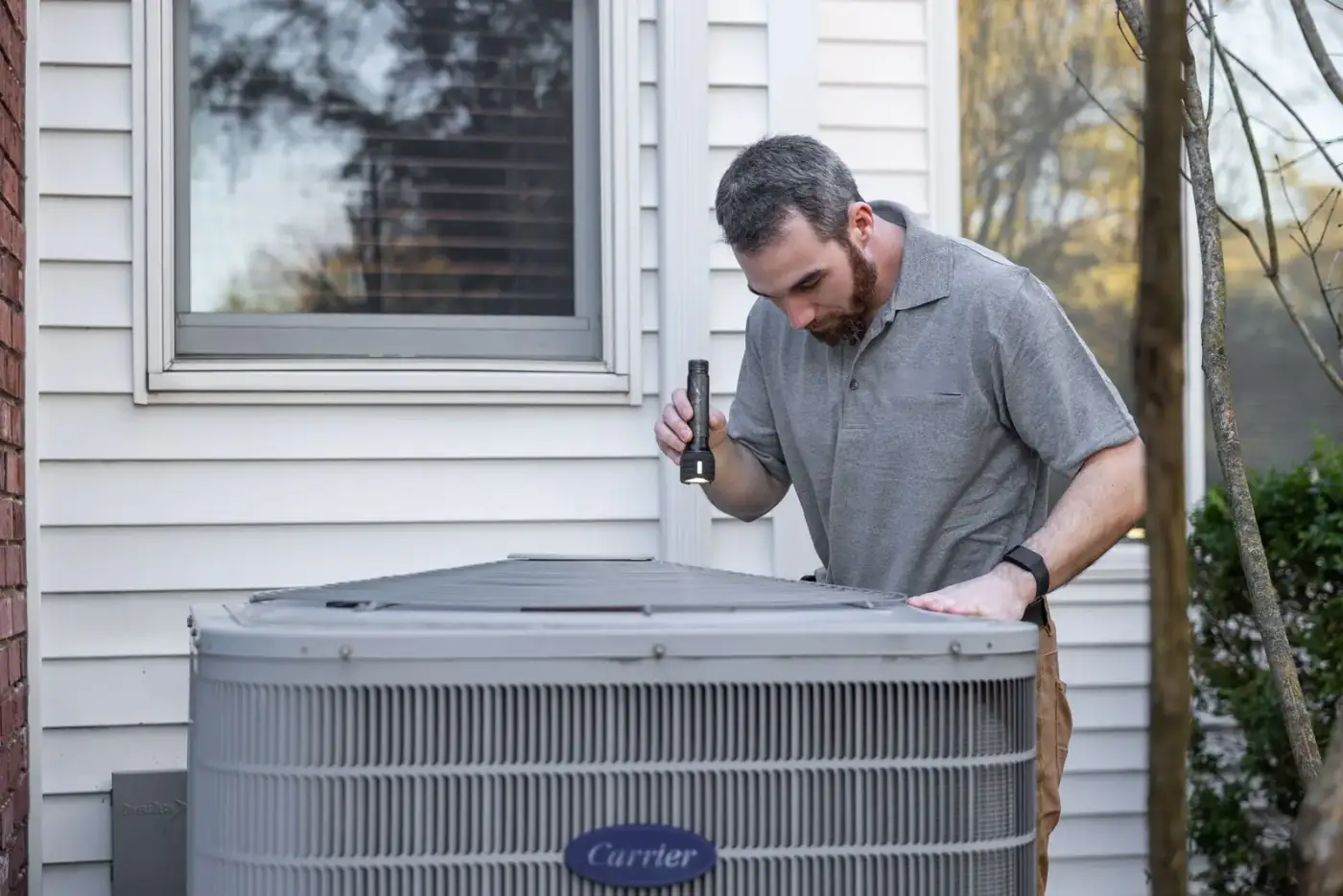
How hard an air conditioner works depends heavily on climate. In hot-dry regions like Phoenix and Las Vegas a system can run 3,000 hours a year; in humid Gulf and Southeast cities it fights moisture as much as heat; in northern states it may run only a few months. Parts wear out fastest where run times are longest.
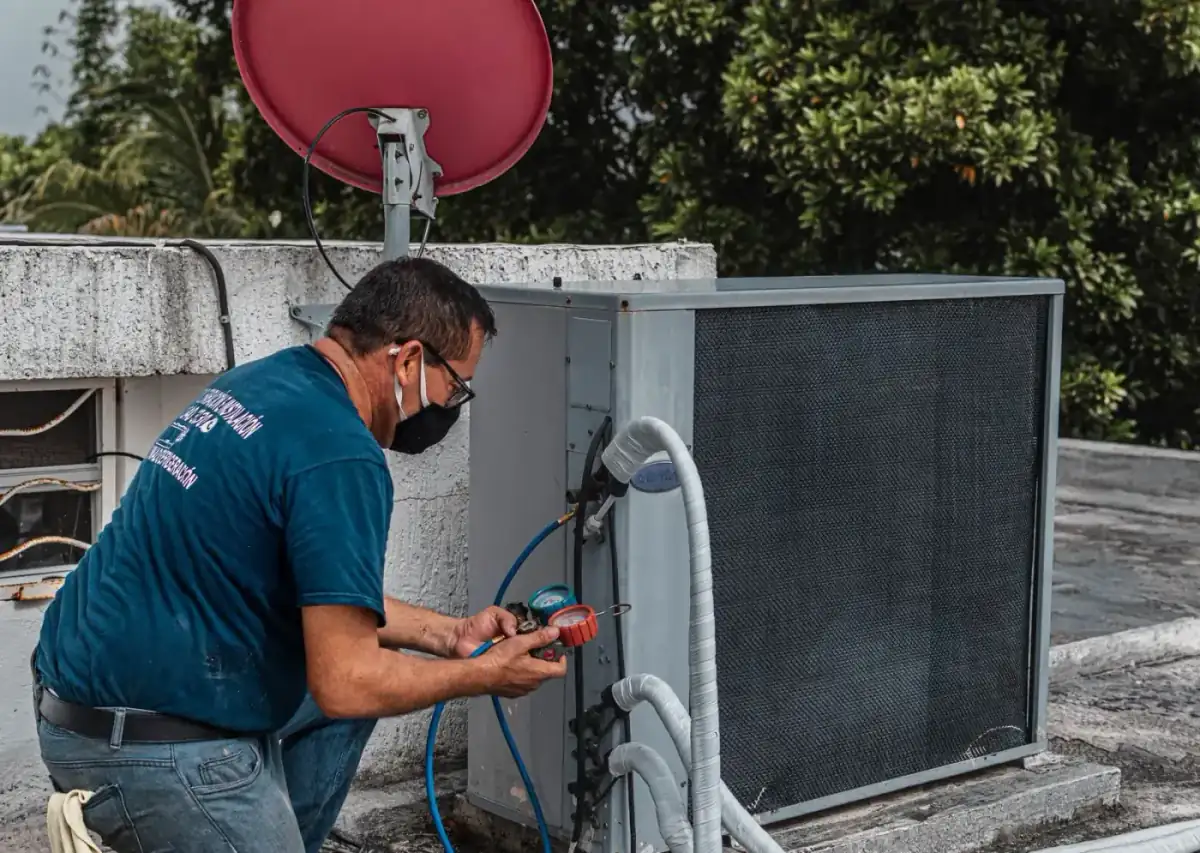
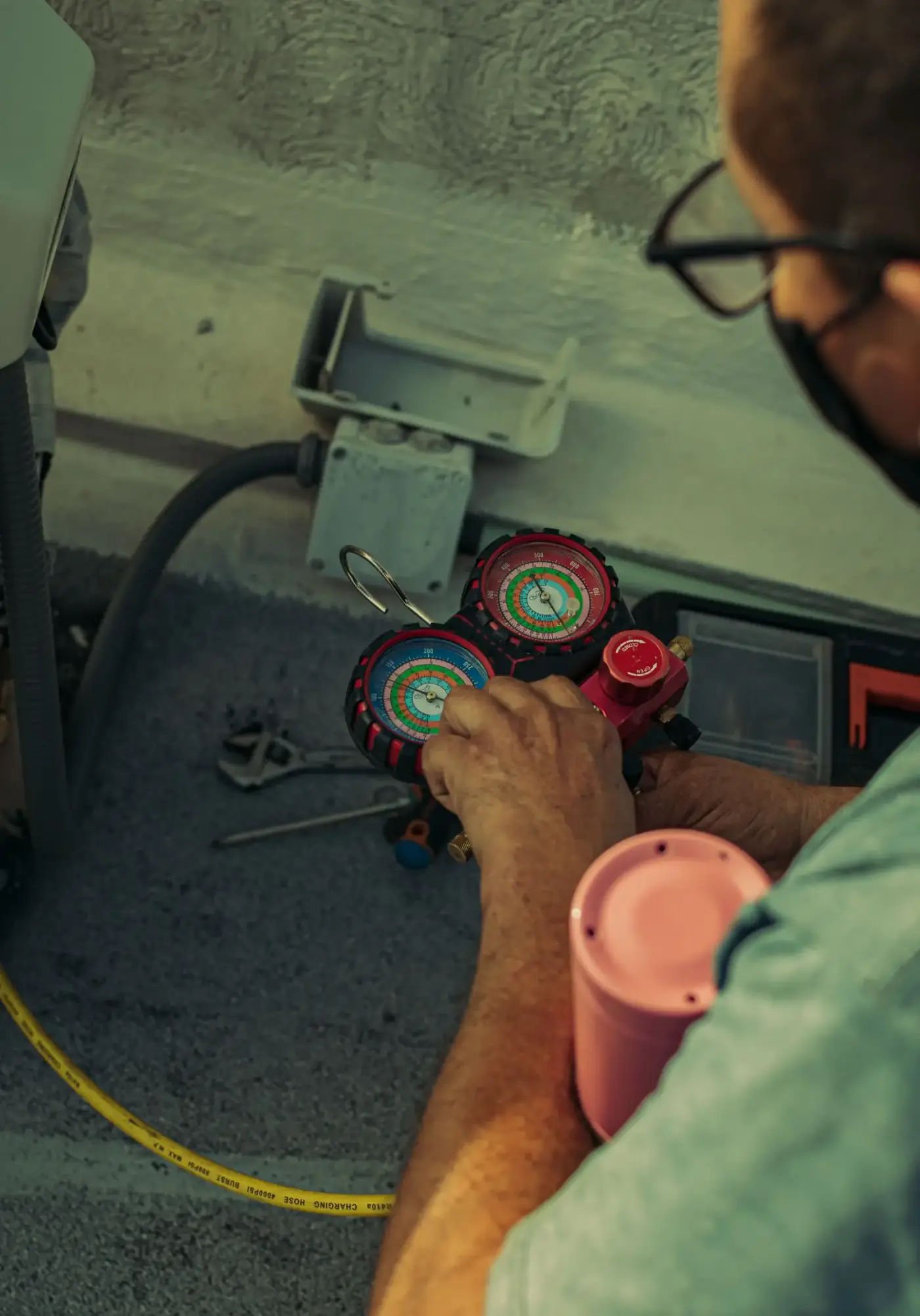
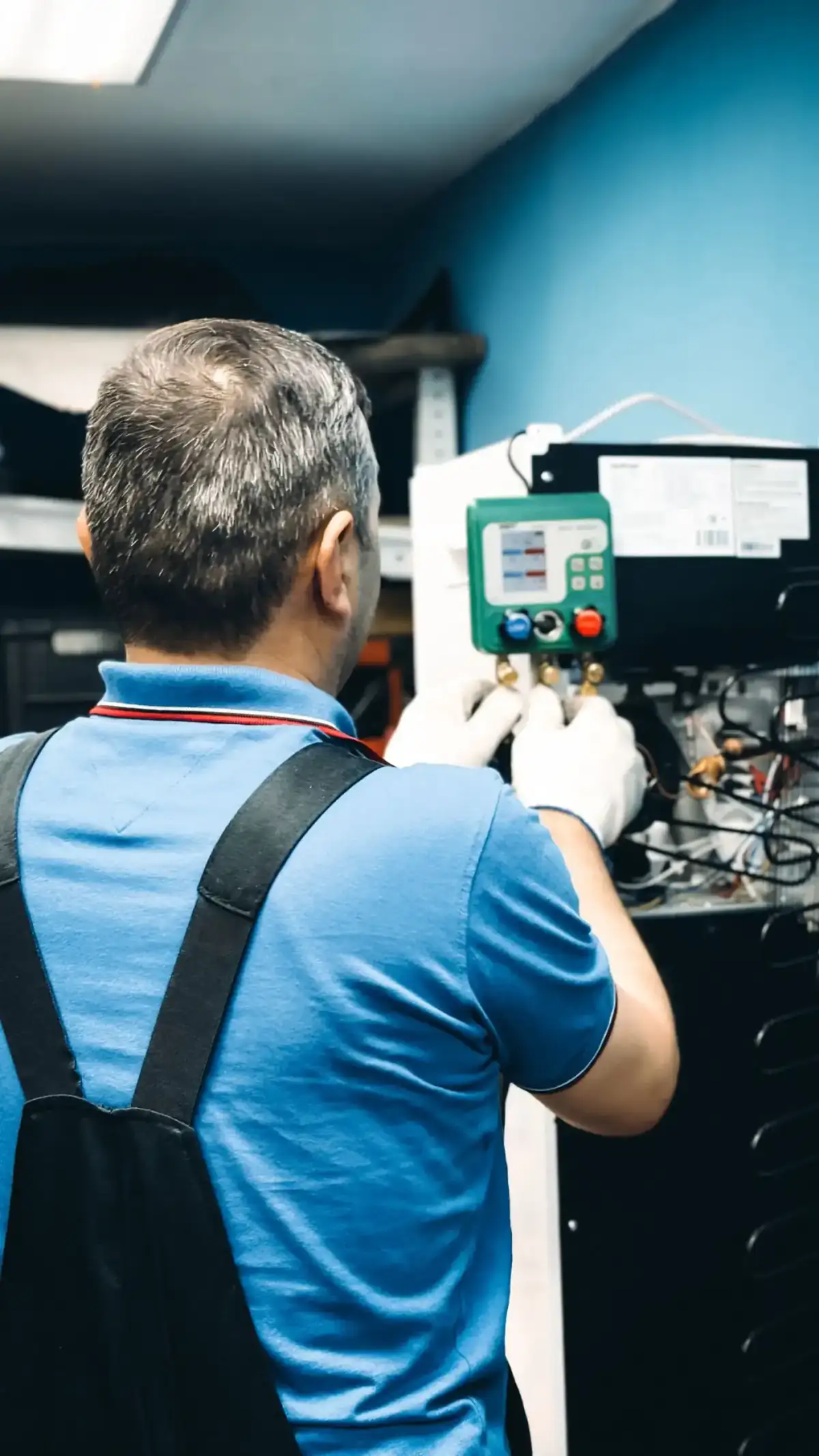
A good repair visit starts with measurements, not guesses: supply and return temperatures, refrigerant pressures, amp draw on the compressor and fan, and capacitor microfarads. That tells you whether a part has failed or the whole system is near the end.
AC Repair at a glance
- Category
- Air Conditioning
- Service area
- Nationwide
- Typical visit
- Check power and controls → Test electrical parts → Measure the refrigerant side → Written price, then repair
- Urgent help
- Yes. Call for the fastest connection.
- Equipment covered
- Capacitors, Contactors, Condenser fan motors, Blower motors, Compressors, TXV and metering devices, Float switches
Symptoms
Signs you need ac repair
- Air from the vents is barely cooler than the room
- The outdoor unit hums but the fan does not spin
- The system turns on and off every few minutes
- Ice on the refrigerant line or the indoor coil
- Water near the air handler or a tripped float switch
Process
How the AC Repair visit works
- 1
Check power and controls
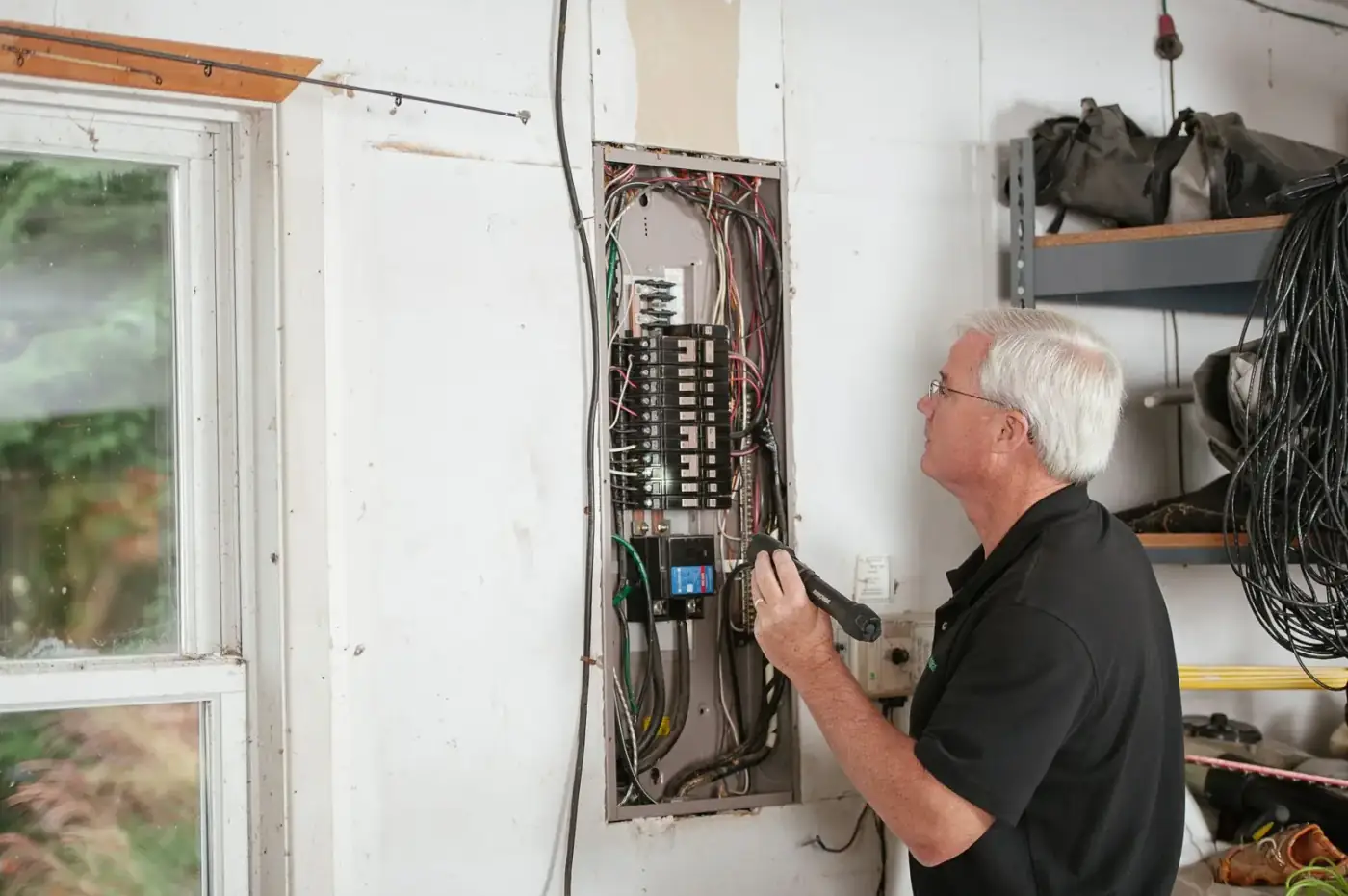
Breaker, disconnect, thermostat signal, float switch and low-voltage fuse.
- 2
Test electrical parts
Capacitor microfarads, contactor, motor amp draw against the nameplate.
- 3
Measure the refrigerant side
Pressures, superheat or subcooling, and temperature split across the coil.
- 4
Written price, then repair
You approve the repair before work. The tech re-tests cooling afterward.
Cost
What affects AC Repair cost
Every contractor sets their own prices. These are the things that move the number. Ask for a written price before work starts.
- The failed part (a capacitor costs far less than a compressor)
- Refrigerant type: R-22 systems cost much more to recharge than R-410A or R-454B
- Access: attic air handlers in summer take longer to work on
- Warranty status of the parts on your system
- After-hours or weekend timing
Before the tech arrives
What you can safely do before AC Repair
Safe to try
- Replace a dirty filter
- Reset a tripped breaker once
- Check the thermostat is on Cool with fresh batteries
- Clear plants and debris 2 feet around the condenser
Stop and call
- Never touch the capacitor; it holds a charge after power is off
- Don't add refrigerant yourself or use store-bought recharge kits
- Stop resetting a breaker that trips again
FAQ
AC Repair questions
Should I repair or replace my AC?+
Repair is usually the right call if the system is under 10 years old and the repair costs less than a third of a new system. Past 12–15 years in Las Vegas heat, or with an R-22 leak, replacement often makes more sense.
Why does my AC run but not cool?+
The most common causes are a dirty filter or coil, a failed outdoor fan motor or capacitor, or low refrigerant from a leak. A tech can tell which with a pressure and temperature test.
Is it normal for my AC to run all day on the hottest days?+
Yes. On an extreme heat day a correctly sized system may run nearly nonstop and still hold the house about 20°F below outdoors. It's a problem if the house keeps getting warmer.
AC Repair city guides
AC Repair by state
Related
Services related to AC Repair
AC Repair guides
Need heating or cooling help now?
Call to be connected with a licensed HVAC contractor serving your ZIP code.