
Air Conditioning · Texas
AC Repair in Texas
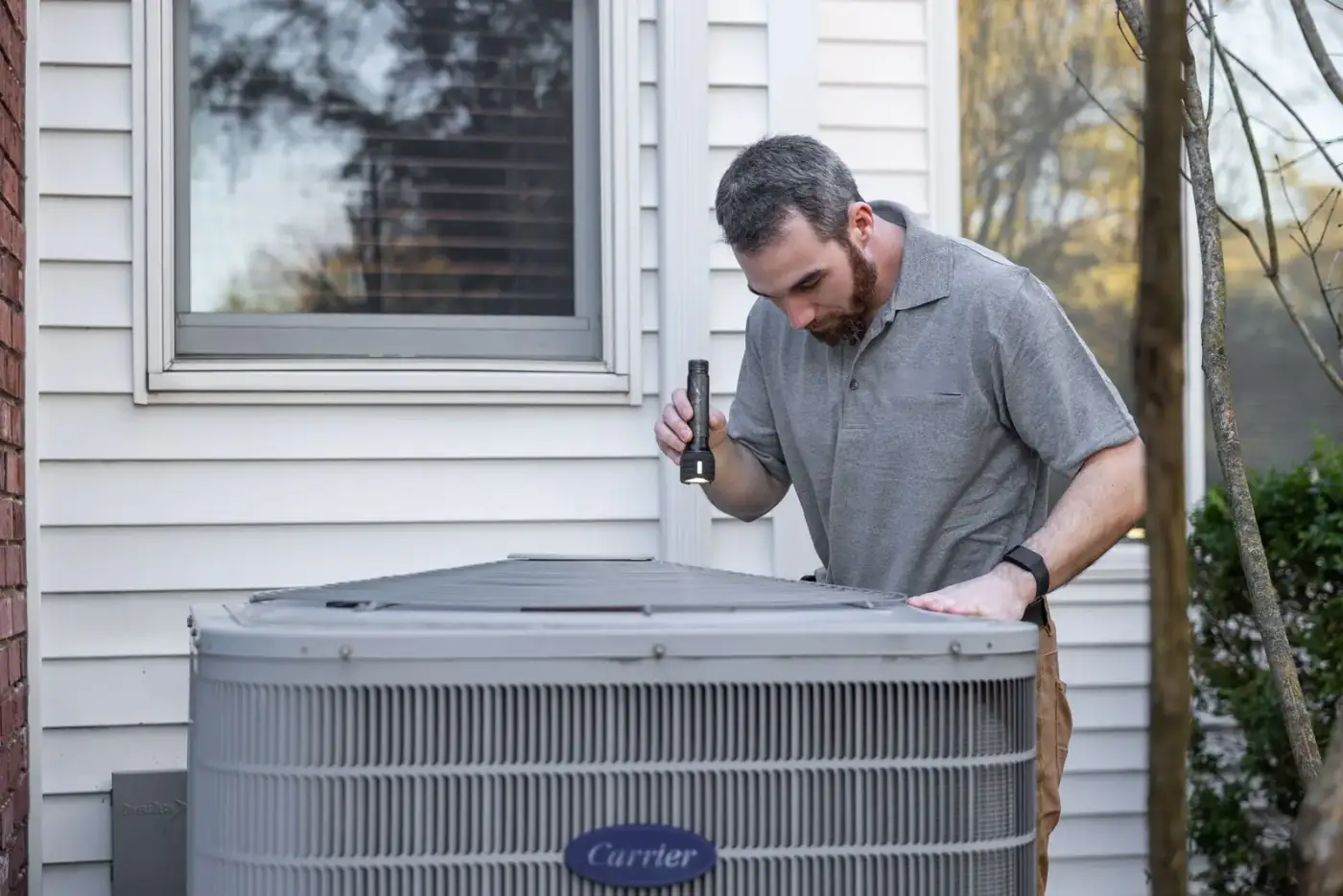
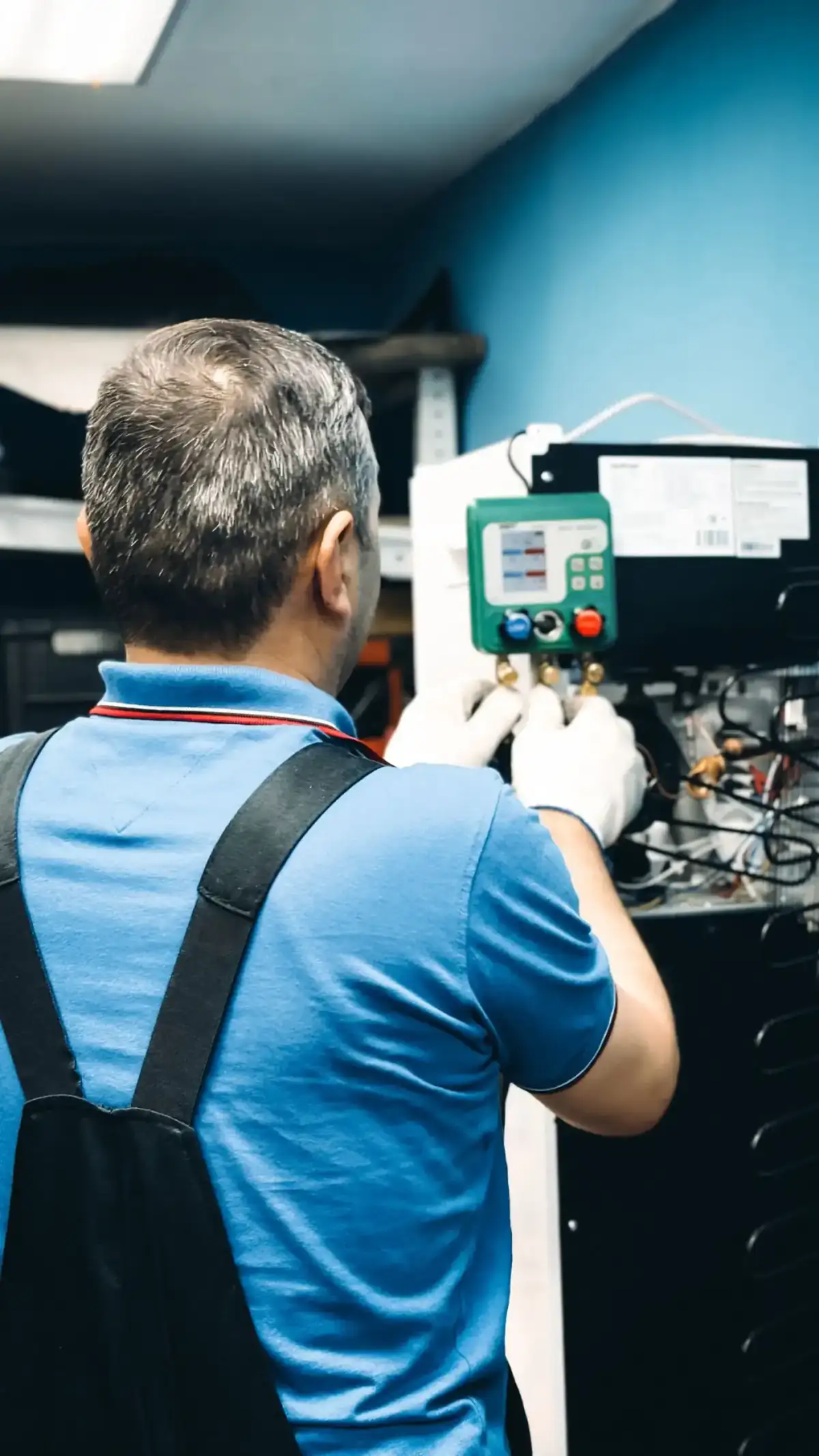
Most AC failures come down to a few parts: a weak capacitor, a burned contactor, a clogged condensate drain, low refrigerant from a leak, or a failing fan motor. A licensed tech tests each one, shows you the reading, and gives a written price before replacing anything.
- Same-day appointments when available
- Licensed HVAC contractors
- Written price before any repair
Texas
AC Repair in Texas: what's different
AC Repair across Texas depends on the climate (IECC climate zones 2–4). In hot-humid climates the air conditioner removes moisture as well as heat, so refrigerant charge, airflow and a clear condensate drain matter as much as raw capacity. Oversized systems short-cycle and leave rooms clammy.
In Texas specifically: extreme summer heat. Long stretches of 100°F days wear out capacitors, fans and compressors.
Texas licenses air conditioning and refrigeration contractors through the Texas Department of Licensing and Regulation (TDLR). Every licensed contractor's number should appear on contracts and vehicles. Ask any contractor for their license number before work starts, and expect a written price for AC Repair.
Common systems in Texas: Central AC + gas furnace, Heat pumps, Attic air handlers, Zoned two-story systems. Tell the contractor which one you have so they bring the right parts.
Texas climate
Hot-humid climate, IECC climate zones 2–4. Central AC with gas furnaces is standard in many metros, while heat pumps are common in newer and all-electric homes. Attic air handlers and ducts are typical, and attic heat is a major source of duct losses.
Symptoms
Signs you need ac repair
- Air from the vents is barely cooler than the room
- The outdoor unit hums but the fan does not spin
- The system turns on and off every few minutes
Process
How the AC Repair visit works in Texas
- 1
Check power and controls
- 2
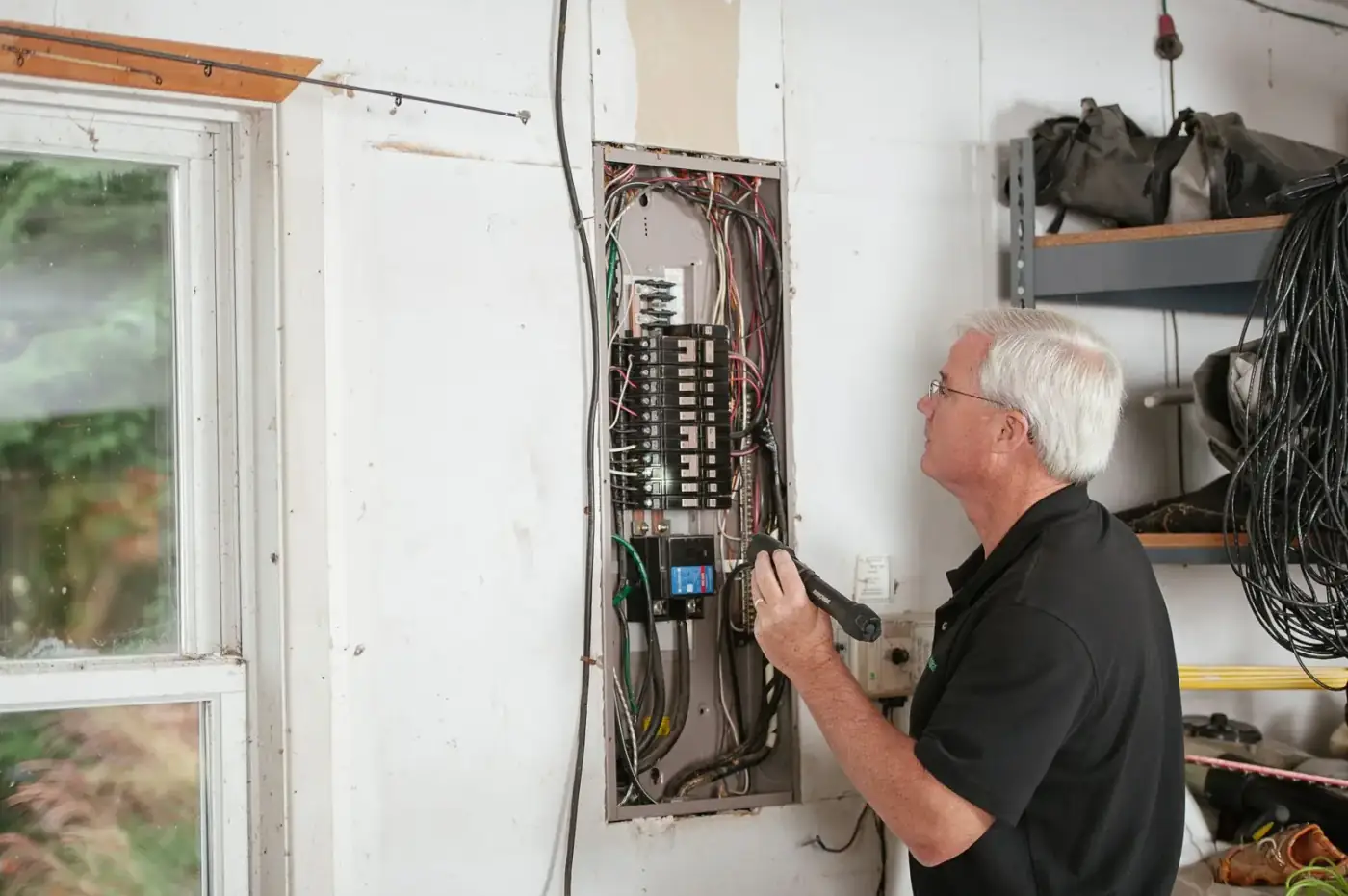
Test electrical parts
- 3
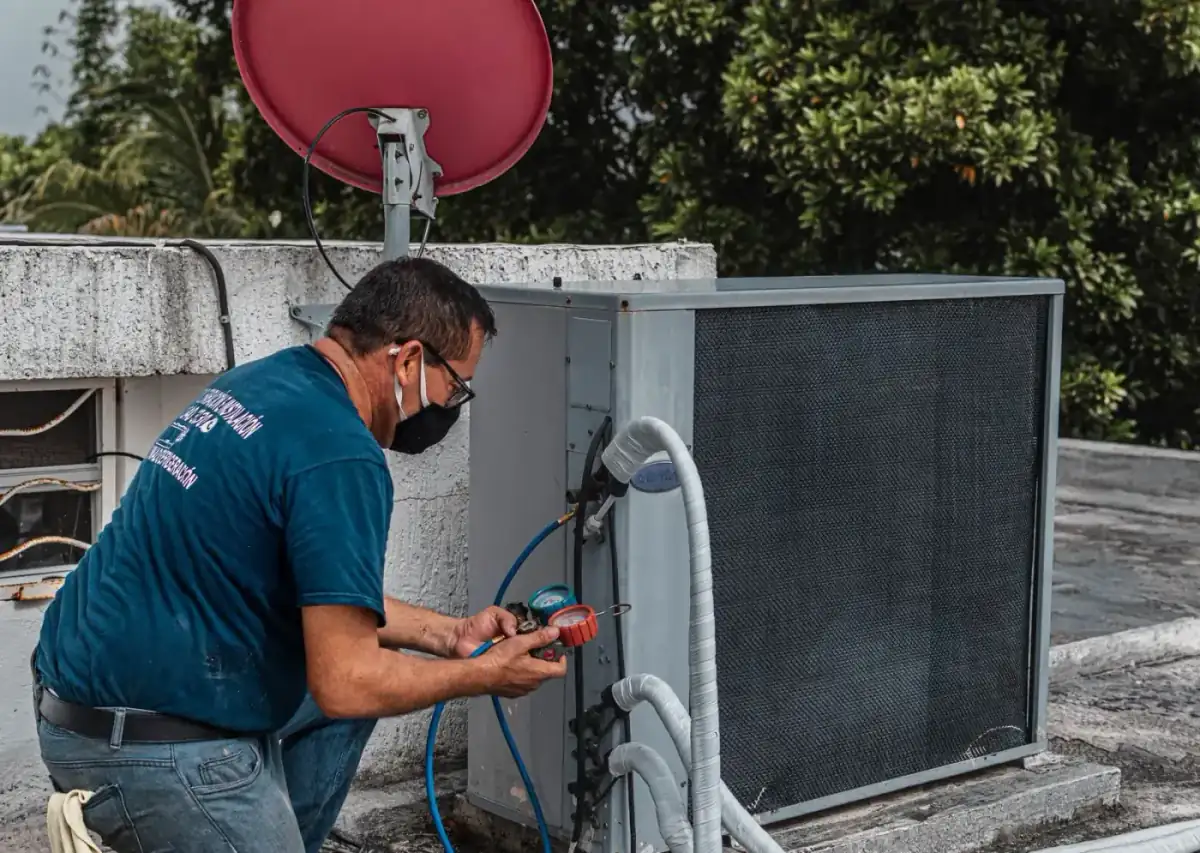
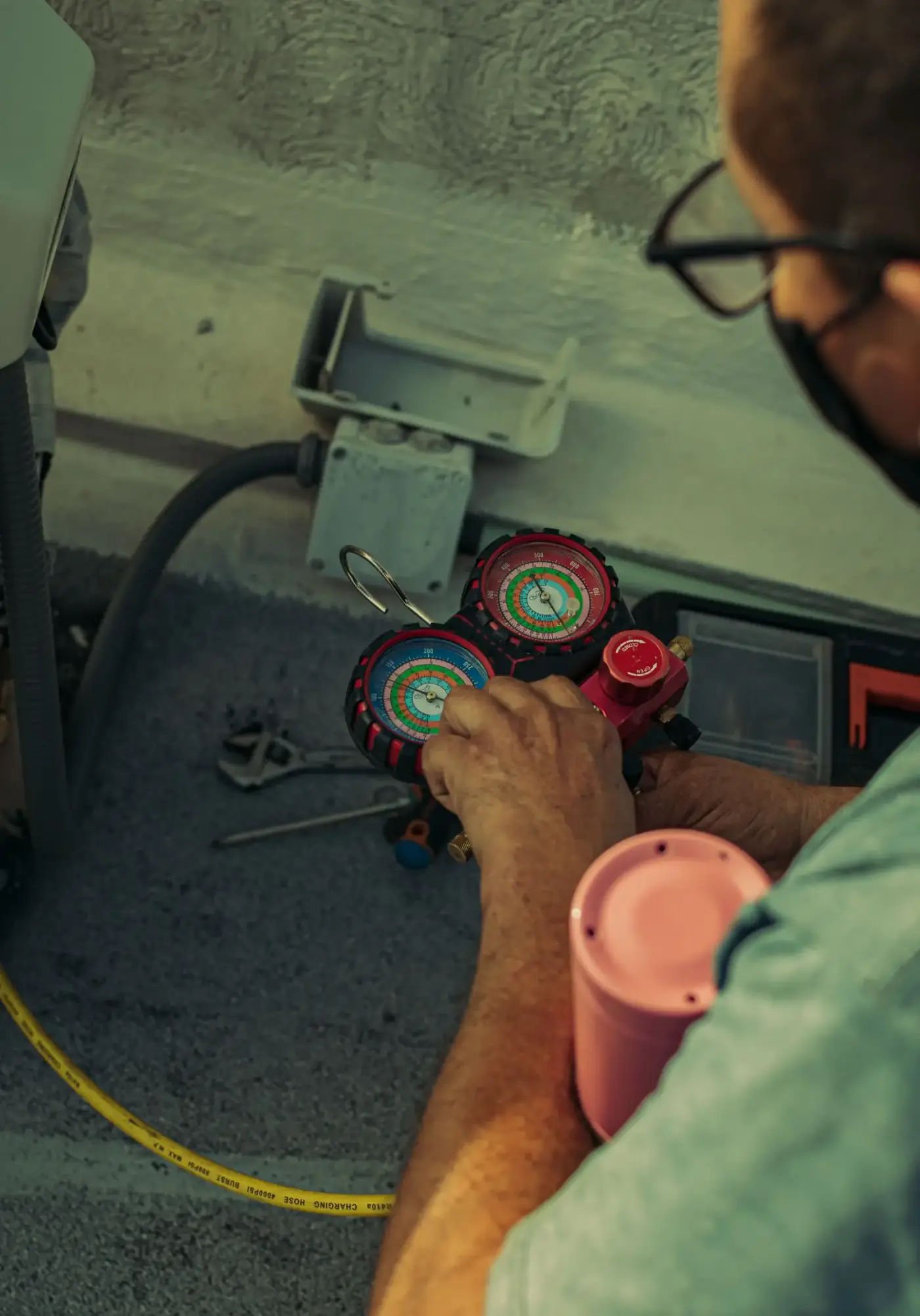
Measure the refrigerant side
- 4
Written price, then repair
Cost factors, safe DIY checks and equipment details are in the full ac repair guide.
FAQ
AC Repair questions
Do you offer AC Repair everywhere in Texas?+
Our contractor network covers many Texas ZIP codes. Call with your ZIP code and we will tell you whether a licensed contractor serves your address.
What should I do with my HVAC during a Texas winter storm?+
Lower the thermostat slightly to reduce strain, keep the outdoor unit clear of ice, and check that condensate lines aren't frozen.
Should I repair or replace my AC?+
Repair is usually the right call if the system is under 10 years old and the repair costs less than a third of a new system. Past 12–15 years in Las Vegas heat, or with an R-22 leak, replacement often makes more sense.
Why does my AC run but not cool?+
The most common causes are a dirty filter or coil, a failed outdoor fan motor or capacitor, or low refrigerant from a leak. A tech can tell which with a pressure and temperature test.
AC Repair in Texas cities
Other services in Texas
AC Repair overview · Air Conditioning in Texas · All HVAC services in Texas
Related
Services related to AC Repair
AC Repair guides
Need heating or cooling help now?
Call to be connected with a licensed HVAC contractor serving your ZIP code.