
Heating · Texas
Furnace Repair in Texas
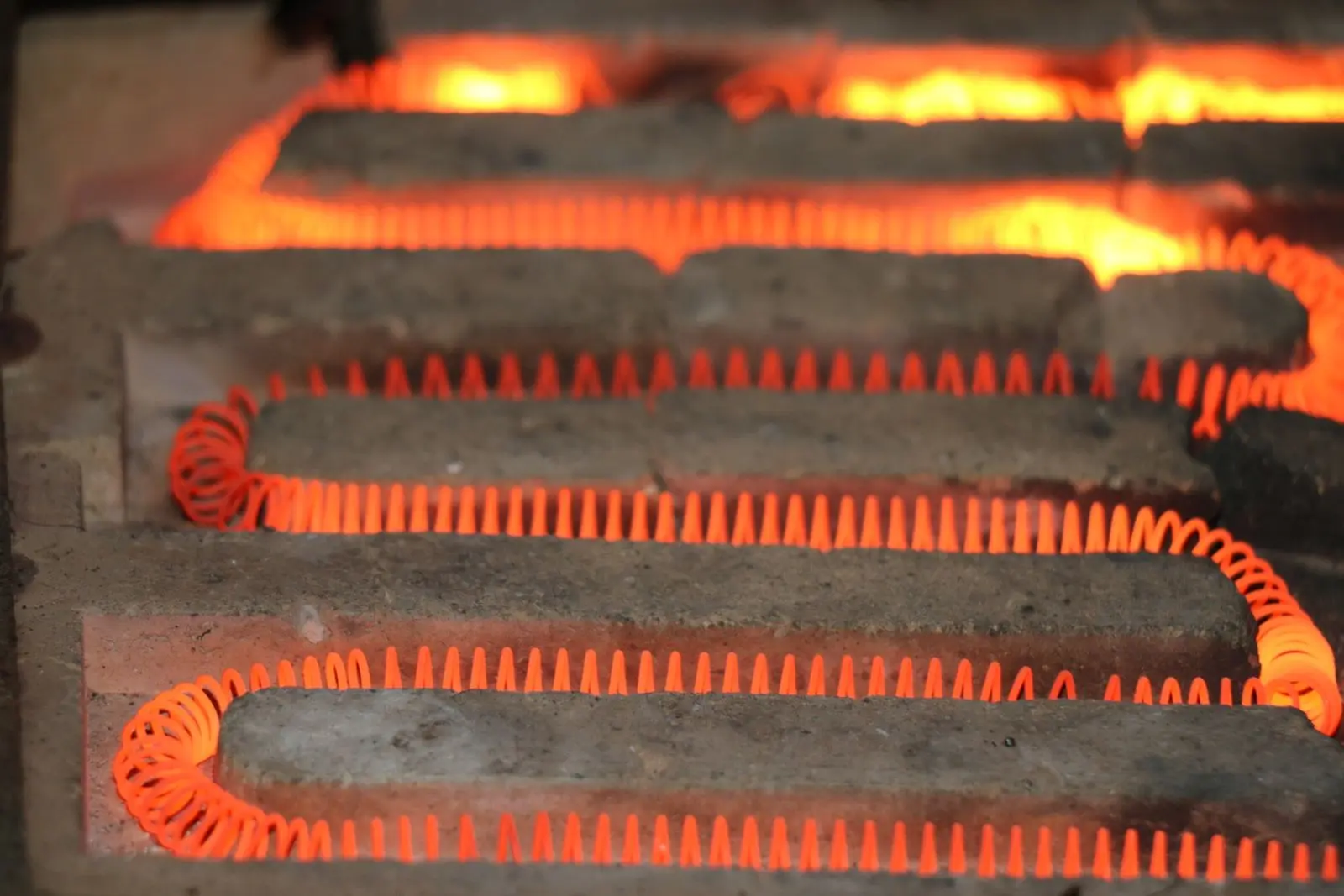
Most furnace no-heat calls are a dirty flame sensor, a failed hot surface igniter, a tripped limit or pressure switch, or a clogged filter. A tech reads the board's error code, tests each safety device, and checks for carbon monoxide before handing it back.
- Same-day appointments when available
- Licensed HVAC contractors
- Written price before any repair
Texas
Furnace Repair in Texas: what's different
Furnace Repair across Texas depends on the climate (IECC climate zones 2–4). Heating seasons here are short, so furnaces and heat strips sit idle for months. Dust on burners, weak igniters and dirty flame sensors are the usual first-cold-night failures.
In Texas specifically: extreme summer heat. Long stretches of 100°F days wear out capacitors, fans and compressors. Winter freezes: Rare but severe freezes strain heat pumps and can damage equipment and drains.
Texas licenses air conditioning and refrigeration contractors through the Texas Department of Licensing and Regulation (TDLR). Every licensed contractor's number should appear on contracts and vehicles. Ask any contractor for their license number before work starts, and expect a written price for furnace Repair.
Common systems in Texas: Central AC + gas furnace, Heat pumps, Attic air handlers, Zoned two-story systems. Tell the contractor which one you have so they bring the right parts.
Texas climate
Hot-humid climate, IECC climate zones 2–4. Central AC with gas furnaces is standard in many metros, while heat pumps are common in newer and all-electric homes. Attic air handlers and ducts are typical, and attic heat is a major source of duct losses.
Symptoms
Signs you need furnace repair
- Cold air from the vents in heat mode
- Burners light then shut off after a few seconds
- Blinking LED code on the control board
Process
How the Furnace Repair visit works in Texas
- 1
Read the fault code
- 2
Test ignition and safeties
- 3
Combustion and CO check
- 4
Repair and run test
Cost factors, safe DIY checks and equipment details are in the full furnace repair guide.
FAQ
Furnace Repair questions
Do you offer furnace Repair everywhere in Texas?+
Our contractor network covers many Texas ZIP codes. Call with your ZIP code and we will tell you whether a licensed contractor serves your address.
What should I do with my HVAC during a Texas winter storm?+
Lower the thermostat slightly to reduce strain, keep the outdoor unit clear of ice, and check that condensate lines aren't frozen.
Why does my furnace turn on then off right away?+
The most common reason is a dirty flame sensor, which can't prove the flame so the board shuts the gas off. Other causes are a weak pressure switch or a blocked vent.
Is a cracked heat exchanger dangerous?+
It can be, because it may let combustion gases mix with house air. A tech will usually shut the furnace off and red-tag it until it is repaired or replaced.
Furnace Repair in Texas cities
Other services in Texas
Furnace Repair overview · Heating in Texas · All HVAC services in Texas
Related
Services related to Furnace Repair
Furnace Repair guides
Need heating or cooling help now?
Call to be connected with a licensed HVAC contractor serving your ZIP code.